
Understanding Venezuela’s Trade Restrictions Insights and Implications
Understanding Venezuela’s Trade Restrictions: Insights and Implications
Venezuela, a country rich in natural resources, particularly oil, has faced substantial economic challenges that have resulted in complex trade restrictions. These restrictions have implications for both domestic and international businesses. Understanding the nuances of these trade barriers is crucial for companies looking to engage with the Venezuelan market. For more detailed insights, you can refer to information on Venezuela trade restrictions http://behaviortherapyassociates.com/wp-content/pages/?venezuela-trade-restrictions-what-businesses-need-to-know.html.
Historical Context
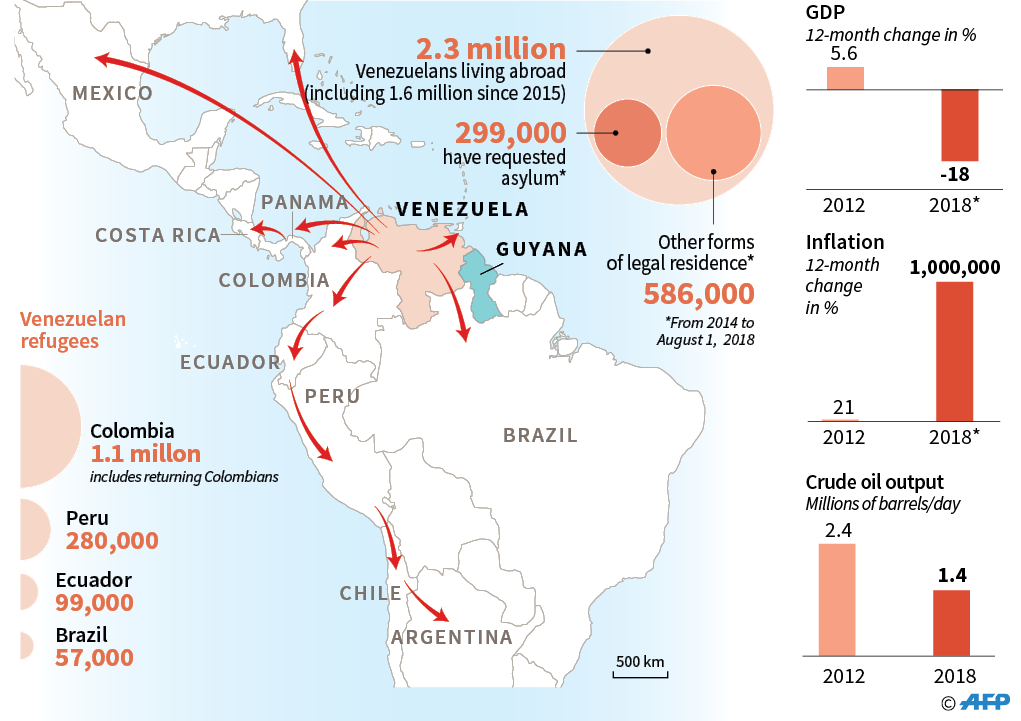
The foundation of Venezuela’s current trade restrictions can be traced back to its economic policies from the early 2000s, particularly after Hugo Chávez assumed the presidency in 1999. Chávez’s government implemented a series of nationalizations, particularly in the oil sector, which altered the landscape for trade and investment. These policies were further exacerbated by a drop in oil prices and subsequent economic mismanagement, leading to rampant inflation and a deteriorating economy.
Reasons for Trade Restrictions
Trade restrictions in Venezuela stem from several interrelated factors:
- Economic Collapse: The ongoing economic crisis has led the government to prioritize control over economic activities, limiting trade opportunities.
- Political Instability: The political environment in Venezuela has been turbulent, leading to sanctions imposed by foreign governments, particularly the United States.
- Corruption and Mismanagement: Corruption within government agencies has resulted in inefficient trade practices, further complicating international trade relations.
Types of Trade Restrictions
There are multiple types of trade restrictions currently in place in Venezuela:

- Import Restrictions: Many foreign goods face high tariffs or outright bans, making it challenging for international companies to enter the market.
- Foreign Currency Controls: The government imposes strict regulations on foreign currency transactions, which complicates the ability of businesses to import goods and pay for international services.
- Export Controls: Export regulations limit the ability of Venezuelan companies to engage in international trade, impacting their competitiveness.
Impact on Businesses
The impact of Venezuela’s trade restrictions on businesses can be significant:
- Increased Costs: The existing tariffs and costs associated with navigating the bureaucracy can increase the overall cost of doing business in Venezuela.
- Market Accessibility: Many foreign companies have found it difficult to access the Venezuelan market due to restrictions, which limits competitive pressures within the country.
- Investment Uncertainty: Businesses face significant risks related to political and economic stability, making potential investors wary.
Strategies for Navigating Trade Restrictions
Despite the challenges, there are strategies businesses can employ to navigate Venezuela’s trade restrictions effectively:
- Local Partnerships: Collaborating with local businesses can provide valuable insights into navigating the trade landscape.
- Diverse Supply Chains: Companies should consider diversifying their supply chains to mitigate risks related to trade restrictions.
- Legal Counsel: Engaging with legal experts who understand Venezuelan trade law can help businesses remain compliant and reduce risks.
Conclusion
While Venezuela presents notable opportunities due to its natural resources, the trade restrictions in place present significant challenges. Companies looking to engage in the Venezuelan market must be well-informed about the regulatory landscape and prepared to navigate a complex environment. As the situation evolves, ongoing analysis and adaptability will be crucial for any business aiming to succeed in Venezuela.