
Assistance with Interpol Diffusion Notices Your Comprehensive Guide
Understanding Interpol Diffusion Notices: A Guide to Your Rights and Remedies
Navigating the complexities of Interpol diffusion notices can often be daunting and overwhelming. In this article, we provide essential insights and practical steps to assist you in dealing with these notices. For more detailed support, you can find expert help with Interpol diffusion notices that can guide you through the processes and legal remedies available.
What are Interpol Diffusion Notices?
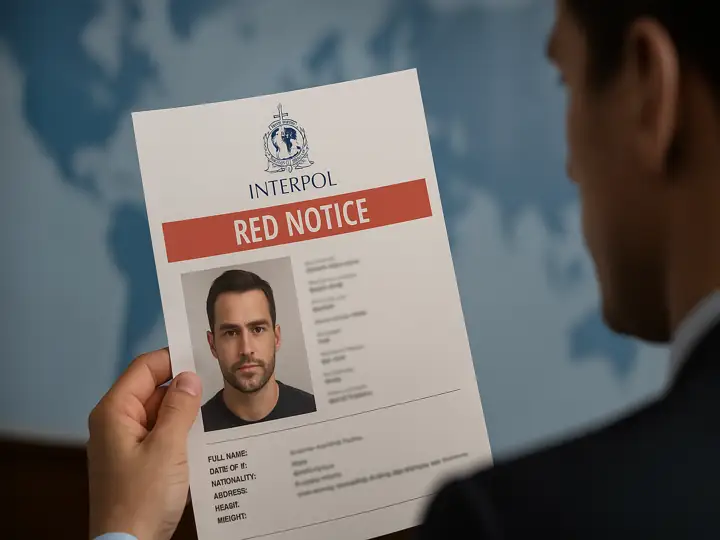
Interpol diffusion notices are international requests for cooperation or alerts utilized by law enforcement agencies across member countries to communicate information regarding criminal activities, wanted persons, or other incidents of interest. Unlike Red Notices, which are requests to locate and provisionally arrest a person pending extradition, diffusions can take various forms and can be issued for numerous reasons, including locating a missing person or alerting members about potential threats.
The Different Types of Interpol Diffusions
Interpol recognizes several types of diffusion notices, each serving a unique purpose:
- Blue Notice: Used to collect additional information about a person’s identity, location, or activities in relation to a crime.
- Green Notice: Provides warnings and criminal intelligence about a person who has committed a criminal offense and may repeat it in other jurisdictions.
- Yellow Notice: Aimed at locating missing persons, often minors, or to identify persons who are unable to identify themselves.
- Black Notice: Requests information about unidentified bodies.
- Orange Notice: Alerts about potential threats posed by an event, an object, a person, or a process representing a serious and imminent threat to public safety.
- Purple Notice: Offers operational information on modi operandi, objects, devices, or concealment methods used by criminals.
Consequences of Being Subject to Interpol Diffusions
When a person is subject to an Interpol diffusion, several consequences can arise, depending on the type of diffusion and the laws of the member countries involved. These can include:
- Increased Scrutiny: Individuals may face heightened scrutiny from law enforcement agencies, particularly when traveling internationally.
- Detention: Depending on the nature of the diffusion, individuals may be detained pending further investigation or legal proceedings.
- Impact on Reputation: Being linked to a diffusion can severely impact a person’s reputation and standing in their community and professional spheres.
Steps to Take if You Are Affected by an Interpol Diffusion
If you or someone you know is facing issues related to an Interpol diffusion, it is crucial to take the following steps:
- Obtain Legal Counsel: Speak with a lawyer specializing in international law or criminal defense who is familiar with Interpol processes.
- Verify the Diffusion: Ensure that the diffusion exists and determine its nature and implications.
- Gather Evidence: Collect any relevant documents or evidence that could aid your case, including travel itineraries, personal identification, and any correspondence regarding the diffusion.
- Challenge the Diffusion: Depending on the circumstances, it might be possible to challenge the diffusion on legal grounds, particularly if it’s based on false information or breaches human rights.
- Engage with Interpol: In some cases, it may be beneficial to contact Interpol directly for clarification or to request the removal of the diffusion.
Legal Remedies for Addressing Interpol Diffusions
Legal remedies available for individuals affected by Interpol diffusions vary depending on the legal framework of the countries involved. Some common legal avenues include:
- Challenging the Notice: Individuals can request a review of the diffusion by submitting appeals, usually through legal representation.
- Seeking Administrative Remedies: In certain countries, there may be legal provisions that allow individuals to seek remedies against wrongful diffusions.
- Human Rights Complaints: If a diffusion leads to a violation of human rights, individuals can resort to human rights organizations or courts to seek redress.
Importance of Being Informed
Understanding your rights and the legal processes involved in dealing with Interpol diffusions is vital. Knowledge equips you to navigate the complexities of international law and better protects your interests.
Conclusion
Dealing with Interpol diffusion notices can seem daunting, but with the right guidance and support, steps can be taken to manage the effects effectively. If you find yourself in this situation, remember the importance of seeking expert assistance, understanding your rights, and exploring all available legal remedies.